
What Is the Best Way to Soundproof a Room?
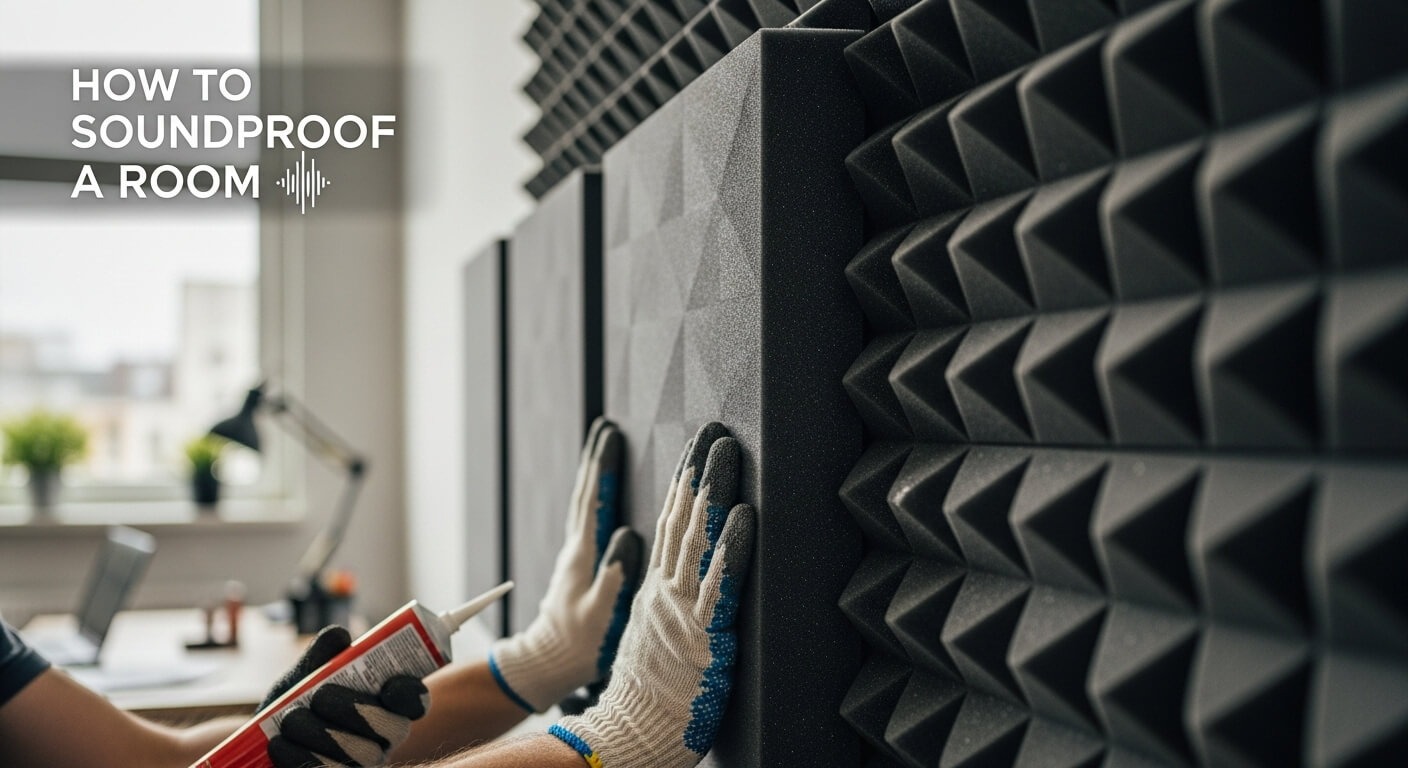
Creating a peaceful sanctuary at home starts with effective noise control. Whether you’re dealing with street traffic, noisy neighbors, or internal household sounds, understanding the best way to soundproof a room can transform your living space into a quiet retreat.
The most effective approach combines multiple soundproofing materials and techniques tailored to your specific noise challenges. From sealing gaps with weatherstripping to installing acoustic panels, successful soundproofing requires both strategic planning and proper execution.
This comprehensive guide walks you through proven methods, essential materials, and practical solutions that actually work, helping you achieve the peaceful environment you deserve.
Identifying Your Noise Problem First
Before investing in any soundproofing solutions, you need to understand exactly what type of noise you’re dealing with and where it’s coming from.
Different noise sources require different treatment approaches, and identifying these factors early saves both time and money on your soundproofing project.
Common Noise Sources at Home
Every home faces unique acoustic challenges that require tailored solutions:
- Street traffic and outdoor activity: These generate low-frequency rumbles that penetrate standard windows. Storm windows or window inserts provide effective relief.
- Neighbor conversations and television: Mid-frequency airborne noise travels through shared walls. Acoustic blankets or wallmate stretch fabric wall systems help manage these sounds.
- HVAC systems and appliances: Structure-borne vibrations require density insulation or fiberglass-based material to control properly.
- Home entertainment systems: PA systems with heavy bass need bass traps and resonant absorbers for optimal control.
Using a decibel-meter app helps measure sound level accurately and track improvement after implementing solutions.
Finding Where Sound Enters Your Room
Conduct a thorough inspection to locate all noise entry points. Check for gaps around door frames, window seals, electrical outlets, and baseboards where sound leaks through. Hold a flashlight in a darkened room.
Light leaks indicate air paths that also transmit sound. The paper test works well for doors: slide paper under the door sweep. If it passes through easily, sound will too.
Test windows by feeling for drafts, which signal spots needing window treatments or insulation tape. Sound curtains made from fibrous fabric can address window issues while maintaining aesthetics.
The Best Soundproofing Methods for Different Room Surfaces
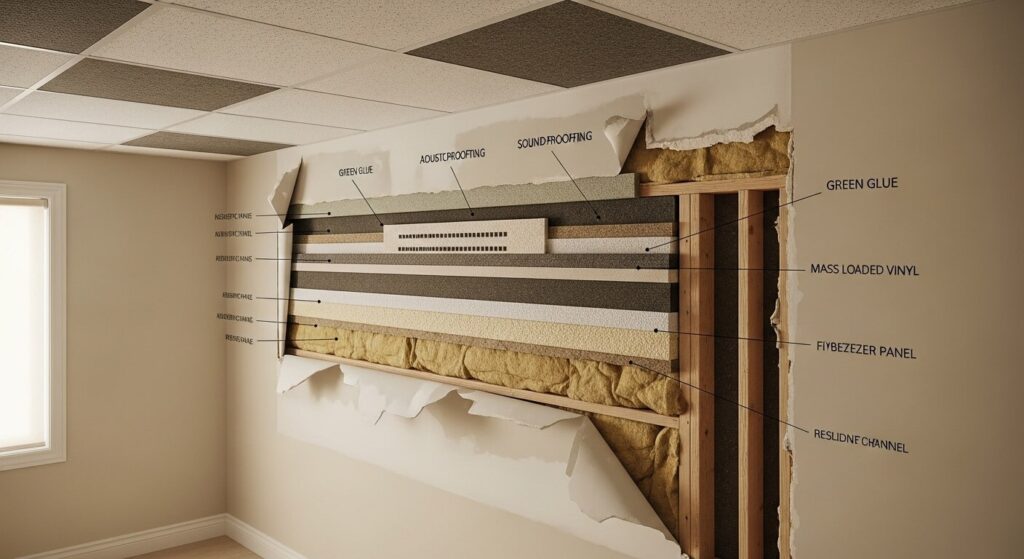
Each surface in your room contributes to overall noise control. Walls, doors, windows, floors, and ceilings all require specific treatment methods to create comprehensive soundproofing.
Understanding how to address each surface ensures no weak points remain in your acoustic barrier.
Soundproofing Walls Effectively
Walls benefit most from added mass and decoupling techniques. Install soundproof panels or acoustic rolls over existing surfaces for quick improvements. For major renovations, add a mass loaded vinyl barrier between drywall layers with Green Glue vibration-dampening compound.
This damping compound dissipates sound energy as heat. Resilient sound isolation clips create separation between studs and drywall, preventing vibration transfer. Double-layer drywall with staggered seams significantly improves sound blocking.
Pink Batts or Enviro Acoustic Wood Wool insulation within wall cavities absorbs sound passing through the structure. Finish with latex wall liners or acoustic room dividers for additional control.
Addressing Doors for Maximum Sound Blocking
Doors represent major weak points in most soundproofing plans. Replace hollow-core doors with solid wood options that provide essential mass.
Install a door sweep at the threshold to seal the bottom gap, and apply weather stripping around the entire frame using hook and loop tape for easy seasonal adjustments. Acoustic blankets hung on the door’s interior face add extra absorption.
For maximum isolation, consider double doors with an air gap between them. This creates a sound lock effect.
Window Soundproofing Solutions
Windows often compromise even the best wall soundproofing efforts. Double glazed windows offer substantial improvement over single-pane options by creating an insulating air gap.
Window inserts made from polyvinyl chloride mount over existing windows without replacement costs. Heavy curtains made from multiple fabric layers absorb sound while maintaining style.
Choose options with soundproof foam backing or dense materials. Seal window frames with acoustical caulk to eliminate air leaks. For severe noise issues, combining storm windows with interior sound curtains provides maximum protection while preserving natural light and views.
Floor Soundproofing Strategies
Floors require underlayment beneath finished surfaces to block impact noise and airborne sound. Products specifically designed for soundproof floors include rubber mats, cork sheets, and specialized soundproofing underlayment.
Thick rugs with dense padding provide immediate improvement. Place soundproof foam pads beneath furniture for additional dampening. For renovations, install porous open cell foams or insulation pads between floor joists before applying subfloors.
Combining multiple layers creates comprehensive protection: soundproofing barrier, subfloor, underlayment, and finished floor. This approach particularly benefits multi-story homes where reducing footstep noise traveling downward remains a priority.
Ceiling Soundproofing Options
Acoustic ceiling tiles offer an accessible solution for existing ceilings, absorbing sound and reducing reverberation. For serious soundproof ceilings, install resilient channels perpendicular to joists, then attach drywall using sound clips rather than directly fastening to joists.
Add acoustic foam batts or fiberglass-based material in the ceiling cavity before closing up. Suspended ceiling systems with acoustic treatment panels work well in basements and lower-level spaces.
The room within a room concept applies here too. Decoupling the ceiling from structural elements prevents vibration transfer from upper floors. Consider combining acoustic diffusers with absorbers for balanced sound control in music spaces.
DIY Soundproofing Methods That Actually Work
You don’t always need professional help or expensive materials to make meaningful improvements.
Many effective soundproofing techniques can be accomplished with basic tools and readily available materials. These DIY methods provide substantial noise reduction while staying within budget constraints.
Budget-Friendly Quick Fixes
Simple, affordable solutions deliver immediate improvement to your space:
- Door treatments: Install door sweeps and weather stripping for under $50 per door. This simple step can reduce noise by 30 percent.
- Floor coverings: Add thick rugs with rubber padding to hard floors for instant sound absorption.
- Window treatments: Hang sound curtains or acoustic blankets over windows and doors to block external noise.
- Furniture placement: Rearrange furniture to create mass against shared walls. Bookshelves filled with books provide excellent sound absorption.
These accessible methods cost hundreds rather than thousands while making noticeable differences. Home Depot and other retailers stock these materials, making them readily available for weekend projects that don’t require special skills or tools.
Furniture Placement as a Sound Barrier
Strategic furniture arrangement creates functional noise barriers without construction. Position large, dense pieces like wardrobes, bookcases, and upholstered furniture against walls where noise enters.
Heavy wooden furniture works better than hollow pieces. Solid timber pallets repurposed as shelving units offer both style and substance. Move beds away from noisy walls when possible.
In closets and dressing areas, clothing naturally absorbs sound, so positioning closets against shared walls provides passive soundproofing. This zero-cost approach works surprisingly well as part of a comprehensive strategy, especially when combined with other methods.
Sealing Gaps and Cracks
Even tiny gaps significantly compromise soundproofing efforts. Inspect and seal cracks around baseboards, window frames, door jambs, and outlets using acoustical caulk. Remove old, hardened caulk before applying fresh sealant.
For outlets on shared walls, install acoustic machine covers or use insulation pads behind outlet plates. Check where walls meet ceilings and floors. Gaps here allow sound to travel freely between rooms. Repair holes in drywall properly rather than leaving them temporarily patched.
Best Materials for Soundproofing Your Room
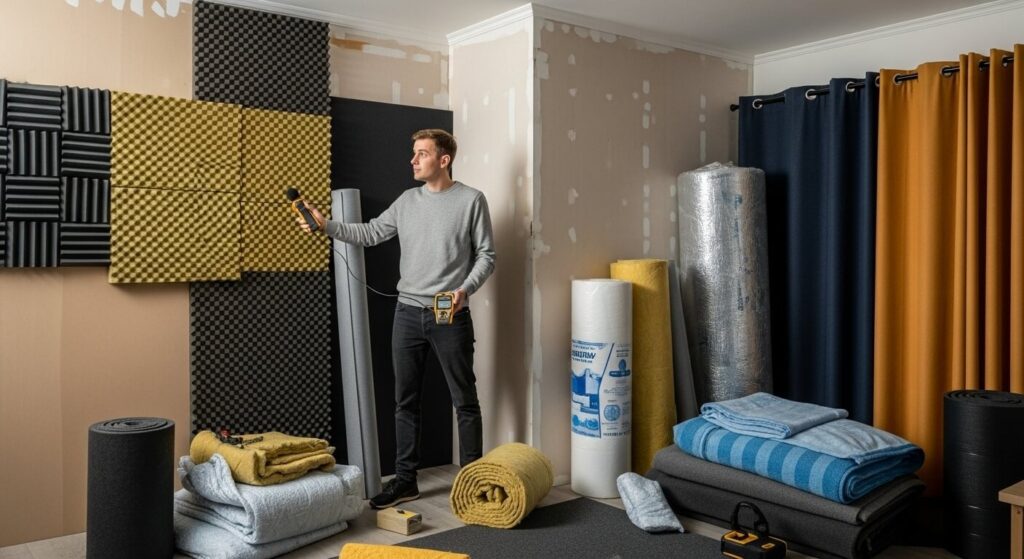
Choosing the right materials makes all the difference between effective soundproofing and wasted money.
Modern soundproofing materials have evolved significantly, offering specialized solutions for different noise problems. Understanding material properties helps you select the best options for your specific needs.
Mass Loaded Vinyl (MLV)
Mass-loaded vinyl remains one of the most effective soundproofing materials available, offering high density in a thin, flexible sheet. This vinyl exterior lining material blocks sound transmission without consuming excessive space, making it ideal for walls, floors, and ceilings.
Professional installers often layer MLV between drywall sheets or beneath flooring for maximum effect. The material’s flexibility allows it to conform to irregular surfaces while maintaining consistent sound-blocking performance.
Though more expensive than traditional insulation, MLV delivers superior results in a compact profile, essential for rooms where space is limited.
Acoustic Panels and Foam
Soundproof foam and professional acoustic panels serve different purposes than blocking materials. These Sound-absorbing material products reduce echo, control sound reflections, and improve overall room acoustics.
Products like Echo Eliminator or PolyMax acoustic panels mount easily on walls using adhesive or hook and loop tape. While egg cartons and egg crate mattress toppers circulate as DIY alternatives, they lack the acoustic properties and fire safety ratings of proper soundproof foam material.
Professional-grade panels feature specific cell structures that target different frequency ranges. Combining standard acoustic panels with bass traps creates balanced treatment across the entire sound spectrum.
Soundproof Drywall and Green Glue
Specialized soundproof drywall like Soundbreak XP features enhanced density and internal damping layers that outperform standard gypsum boards. Green glue noiseproofing compound applied between drywall layers converts sound energy into heat through viscous damping.
This combination represents the gold standard for wall and ceiling soundproofing in new construction or major renovations.
The damping compound remains effective for decades without degrading. Using two layers of drywall with Green Glue vibration-dampening compound between them can achieve STC ratings above 50, sufficient to block normal conversation and most household noise.
Weatherstripping and Acoustic Caulk
Small gaps around doors and windows allow disproportionate amounts of sound to leak through even well-insulated walls. Weather stripping creates airtight seals around movable components, available in foam, rubber, or felt varieties.
Acoustical caulk or sound sealant fills cracks and joints that standard caulk cannot adequately address. Its flexible properties prevent sound vibrations from traveling through sealed gaps.
Apply sound sealant around electrical boxes, pipe penetrations, and where walls meet floors and ceilings. This detailed work often makes the difference between adequate and excellent soundproofing results, yet it represents one of the most affordable improvements you can make.
Dense Curtains and Rugs
Textile solutions provide both aesthetic and functional benefits. Sound curtains crafted from fibrous fabric with multiple layers absorb mid and high-frequency sounds while maintaining interior design cohesion. Heavy rugs over hard flooring dampen footsteps and reduce echo.
Placing insulation pads beneath rugs enhances their effectiveness. These soft furnishings work particularly well in combination with structural soundproofing, addressing remaining sound issues without requiring construction.
The layered approach of combining soundproofing barrier materials in walls with surface treatments like curtains and rugs creates comprehensive, effective noise control throughout your home.
Understanding Soundproofing vs. Sound Absorption
Many people use these terms interchangeably, but they represent fundamentally different approaches to controlling noise.
Understanding the distinction between blocking sound and absorbing it helps you choose appropriate materials and techniques for your specific situation.
Most effective solutions combine both approaches strategically.
What Soundproofing Actually Means
The primary goal of soundproofing focuses on blocking sound transmission between spaces by preventing sound waves from entering or leaving a room.
This process requires adding mass and creating airtight barriers using materials like mass loaded vinyl, soundproof drywall, or Mass-loaded vinyl barriers.
The goal is acoustic isolation, physically stopping noise at entry points such as walls, doors, and windows. Dense materials work best because they reflect sound waves back rather than allowing them to penetrate through surfaces.
How Sound Absorption Differs
Rather than blocking sound, absorption reduces echo and reverberation within a room by converting sound energy into heat. Materials like acoustic foam, acoustic panels, and fibrous absorption material trap sound waves instead of blocking them.
The Noise Reduction Coefficient measures how much sound a material absorbs, with higher ratings indicating better performance. While acoustic treatment improves room acoustics, it doesn’t prevent external noise from entering.
This makes it ideal for recording studios and rehearsal rooms but insufficient for blocking neighbor noise or traffic.
Why You Might Need Both
Most effective soundproofing strategies combine blocking and absorption techniques. Acoustic wall panels and soundproof foam pads address internal echoes while mass loaded vinyl and weatherstripping block external noise.
This dual approach creates comfortable, quiet spaces with excellent sound quality. For example, a home theater benefits from PolyMax acoustic panels that reduce echo while soundproof insulation in walls prevents disturbing other rooms.
Understanding this distinction helps you select appropriate materials and avoid common mistakes like using egg cartons or egg crate mattress toppers, which provide neither effective blocking nor professional-grade absorption.
Final Thoughts: Choosing the Right Approach for Your Home
The best way to soundproof a room combines multiple strategies tailored to your specific situation. Remember that soundproofing represents an investment in quality of life. Better sleep, improved focus, and peaceful relaxation justify the expense.
Whether you choose DIY methods or professional installation, understanding the science behind sound control ensures effective results.
People Also Ask
What Absorbs The Most Sound?
Porous materials with high Noise Reduction Coefficients absorb the most sound, including professional acoustic foam, fiberglass-based insulation, mineral wool, and thick fabric acoustic panels. Dense curtains, rugs with padding, and upholstered furniture also provide excellent absorption. Materials with open cell structures trap sound waves effectively by converting sound energy into minimal heat through friction.
How Can I Make My Room Quieter From Outside Noise?
Seal windows with acoustical caulk and add sound curtains or window inserts for immediate improvement. Install weather stripping around doors and add door sweeps at thresholds. Heavy curtains, rugs on hard floors, and strategic furniture placement absorb interior reflections. For significant reduction, consider storm windows or double glazed windows combined with mass loaded vinyl in walls for comprehensive exterior noise blocking.
How Do I Block Noise on a Shared Wall?
Add mass to shared walls using soundproof panels, acoustic blankets, or bookshelves filled with books against the wall. For permanent solutions, install mass loaded vinyl behind new drywall with Green Glue between layers. Resilient channels decouple drywall from studs, preventing vibration transfer. Seal electrical outlets and any gaps with acoustic sealant to eliminate sound leaks through the structure.
How Do I Reduce Footstep Noise From Upstairs?
Install soundproofing underlayment on the upper floor beneath finished surfaces to absorb impact noise at the source. On lower ceilings, add acoustic ceiling tiles, resilient channels with new drywall, or suspended acoustic panels. Thick rugs with dense padding upstairs provide immediate improvement. For maximum reduction, combine ceiling treatment with insulation in floor joist cavities using fiberglass batts or min
